
In the world of gambling, one of the most critical factors influencing player behavior and overall satisfaction is payout predictability. Casinos, whether physical or digital, thrive on the delicate balance between chance and expectation. Payout predictability, which refers to the frequency and consistency with which players receive wins, plays a significant role in shaping player engagement, trust, and long-term enjoyment. Understanding why predictability matters provides insight into how casinos can design games that are not only profitable but also engaging and enjoyable for their clientele.
When players step into a casino, their expectations are immediately set by past experiences, word of mouth, and the reputation of the venue. A game that offers highly erratic payouts, with long stretches of losses interrupted by massive wins, can elicit extreme emotional responses. While some players may be drawn to the thrill of a sudden jackpot, many find prolonged unpredictability frustrating, leading to decreased engagement and, ultimately, reduced revenue for the casino. Conversely, games with a more predictable pattern of payouts, even if the wins are modest, create a sense of stability. Players feel a greater sense of control and understanding of the game’s mechanics, which fosters confidence and prolongs playtime.
Predictable payout patterns contribute directly to player retention. Human psychology is wired to respond positively to reinforcement, a principle well-documented in behavioral science. Frequent, smaller wins act as positive reinforcement, keeping players motivated to continue playing. The unpredictability of winning may create occasional excitement, but if losses dominate a session, players are likely to disengage. Casinos that implement games with a predictable balance of wins and losses encourage repeated play, not through manipulation, but through consistent reinforcement schedules that align with player expectations. This predictability makes players feel that their time investment is respected and that the game offers fair chances of winning.
Beyond psychological reinforcement, payout predictability impacts players’ perceived fairness. In an era where transparency and trust are essential, especially in online gambling, predictable payout patterns reassure players that the system is operating correctly. While casinos rely on random number generators or other mechanisms to ensure randomness, the overall structure of payouts needs to be coherent and understandable. If a game appears erratic with wins that seem arbitrarily spaced, players may suspect manipulation or unfair practices, even if the game is entirely legitimate. By contrast, a predictable payout structure enhances credibility and fosters trust, which is vital for both new and returning players.
Predictability also influences strategic decision-making. Players are more likely to engage in planning, such as managing their bankroll or choosing bets strategically, when they can anticipate the likely frequency and scale of returns. This predictability does not eliminate the inherent risk of gambling but provides a framework within which players feel comfortable making decisions. Games with erratic, unpredictable payouts often discourage strategic play because the outcomes feel too random to plan for. When players can reasonably anticipate outcomes, they are more likely to enjoy a sense of agency, which significantly contributes to overall satisfaction and engagement.
From a business perspective, balancing payout predictability is crucial for profitability. Casinos aim to maintain a house edge—a statistical advantage that ensures long-term profit—but this does not mean that payouts should feel harsh or unfair. If players perceive the games as too unpredictable or unfavorable, they may leave for competitors or stop playing altogether. Well-calibrated payout structures, offering consistent small wins interspersed with less frequent larger payouts, create an environment where players feel rewarded while the casino maintains its edge. This balance is essential for sustainability, as it encourages longer play sessions, repeat visits, and overall customer loyalty.
Another dimension to consider is the emotional journey of players. Predictable payouts contribute to a smoother emotional experience, reducing the negative impact of extended losing streaks. Gambling, by nature, involves risk, but when losses are punctuated by predictable wins, players are less likely to experience frustration or disappointment. The rhythm of a game—its cadence of wins and near misses—shapes the emotional landscape and keeps engagement high. Unpredictable payout schedules can heighten stress and fatigue, which not only diminishes enjoyment but can lead to abandonment of the game entirely. By providing a consistent payout rhythm, casinos create an enjoyable cycle of tension and release that maintains excitement without inducing undue anxiety.
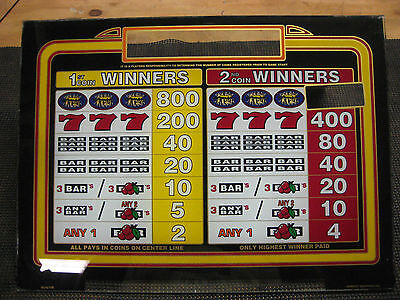
It is important to note that payout predictability does not imply monotony. Skilled game designers can create complexity and intrigue within a predictable framework. For example, slot machines may offer frequent minor wins alongside rare major jackpots, or table games may maintain consistent probabilities while allowing for moments of heightened tension. The predictability lies in the structure of reinforcement, not in the elimination of excitement. Players can experience surprise and delight within a framework that feels fair and understandable, enhancing the overall perception of enjoyment.
Moreover, predictable payouts have significant implications for responsible gambling. When players understand the likelihood of winning, they are better equipped to make informed decisions and manage their spending. Games that are excessively erratic can encourage chasing losses, a behavior linked to gambling-related harm. By contrast, predictable payout patterns help players set expectations, understand the odds, and maintain control over their gambling behavior. This not only benefits players’ well-being but also protects the casino’s reputation as a responsible operator.
In conclusion, payout predictability matters because it intersects with psychology, trust, engagement, profitability, and responsible gaming. Players are more likely to remain engaged, feel confident, and perceive fairness when games offer consistent, understandable payout patterns. Casinos benefit by creating a loyal customer base, sustaining revenue, and minimizing frustration-induced attrition. The art of designing casino games lies in balancing randomness with predictability, crafting an experience that is both exciting and reassuring. By appreciating the significance of payout predictability, operators can foster long-term relationships with players, enhancing both enjoyment and business outcomes.





Leave a Reply