
Efficient traffic management is one of the most critical elements in maintaining high performance across complex systems, whether in urban infrastructure, digital networks, or transportation logistics. At its core, traffic management seeks to optimize the flow of vehicles, data, or people, minimizing bottlenecks, delays, and congestion while maximizing throughput and responsiveness. By understanding the principles behind effective traffic management, organizations and cities alike can enhance the performance of their systems, reduce stress on resources, and improve overall user experience.
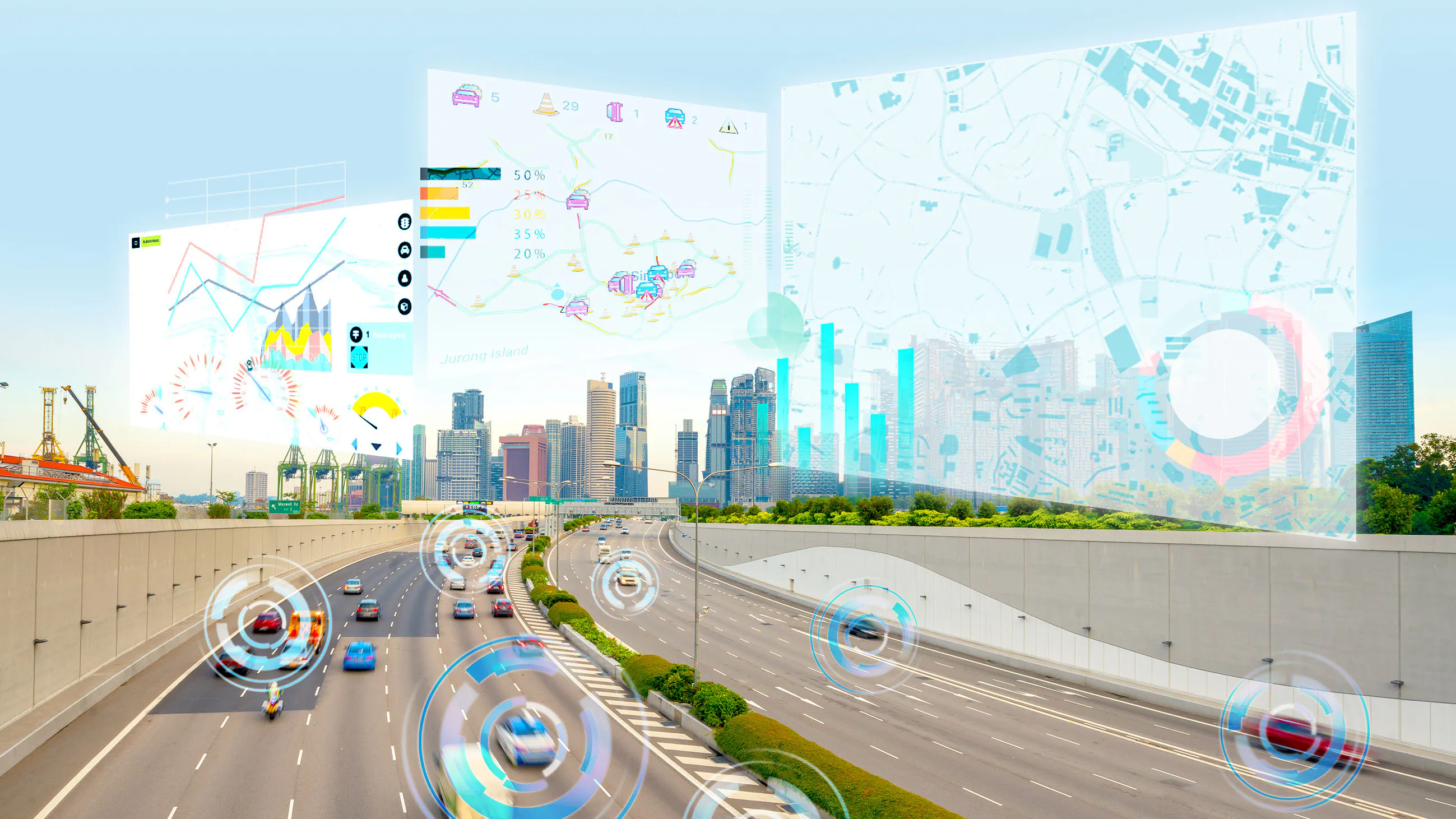
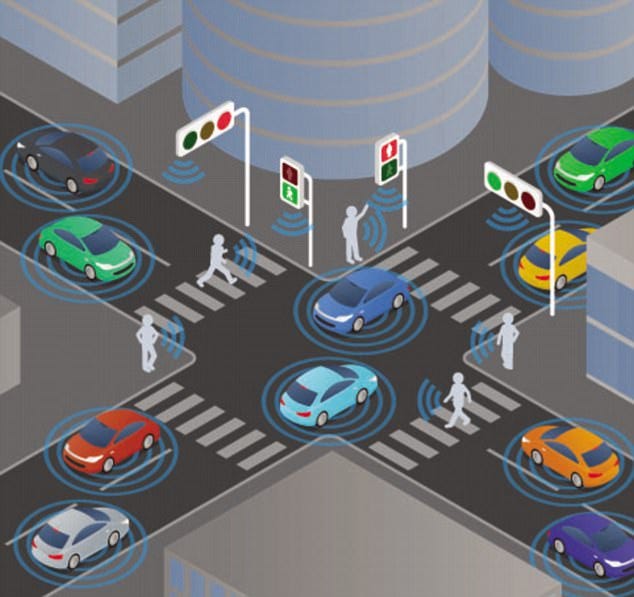
A fundamental aspect of traffic management is monitoring and real-time control. In urban road networks, for example, traffic lights, sensor networks, and adaptive signaling systems continuously collect data on vehicle density, speed, and travel patterns. This information allows traffic control centers to make informed decisions, adjusting signal timings dynamically to prevent excessive queues and avoid intersections becoming chokepoints. The same principle applies to digital networks, where routers, switches, and load balancers analyze data packets, determining the optimal pathways for transmission to prevent latency spikes and service degradation. Continuous monitoring enables quick responses to unexpected disruptions, ensuring that traffic flows smoothly even during periods of high demand.
Predictive analysis is another cornerstone of maintaining performance. By studying historical traffic patterns, peak usage times, and recurring congestion points, planners can anticipate pressure on the system before it becomes critical. Predictive traffic models allow cities to deploy preventive measures, such as opening additional lanes, adjusting public transport schedules, or implementing congestion pricing strategies. In network environments, predictive algorithms distribute workloads across servers in anticipation of peak loads, avoiding the performance dips that occur when resources are overwhelmed. Proactive management, as opposed to reactive fixes, preserves system efficiency and reduces the likelihood of cascading failures.
Prioritization and segmentation also play vital roles in performance preservation. In transportation, prioritizing emergency vehicles, public transit, or high-occupancy lanes ensures that critical flows are maintained even during congestion. Similarly, in digital infrastructure, quality-of-service protocols prioritize latency-sensitive traffic, such as video conferencing or online gaming, over less urgent data transfers. Segmentation helps avoid conflicts between different types of traffic, preventing one category from monopolizing resources and degrading the experience for others. By distinguishing traffic according to importance, systems can maintain reliable service levels across all users.
Redundancy and alternative routing contribute to resilience and sustained performance. When one route becomes blocked or saturated, traffic management systems can redirect flows to secondary pathways, distributing load more evenly. This flexibility prevents localized congestion from propagating through the entire network. In physical road networks, this might involve dynamic signage directing drivers to alternative streets, while in digital networks, it may involve rerouting data packets through underutilized servers. Redundancy ensures that no single point of failure cripples the system, keeping performance consistent even in the face of disruptions.
Feedback mechanisms are essential for continuous improvement. By analyzing the outcomes of traffic management strategies, planners can identify inefficiencies and adjust tactics accordingly. In cities, data on vehicle counts, travel times, and accident rates can guide infrastructure investments and policy changes. In technology systems, monitoring server response times, packet loss rates, and user complaints informs optimization efforts. The feedback loop creates a cycle of learning and refinement, where each iteration of traffic management builds a more resilient and high-performing system.
Integration across multiple layers of traffic management further enhances performance. In metropolitan areas, synchronizing traffic lights, public transportation schedules, pedestrian flows, and ride-sharing services creates a holistic system in which each component complements the others. This layered coordination prevents conflicting actions and reduces delays, ensuring that all elements operate in concert. Similarly, in complex digital systems, coordinating application layers, network routing, and data storage strategies prevents bottlenecks and improves responsiveness. System-wide integration amplifies the effectiveness of individual measures, leading to a more robust and efficient operation overall.
Human factors are also influential in preserving performance. In transportation, clear signage, real-time information, and intuitive route guidance help drivers make informed decisions, reducing hesitation and erratic behavior that can disrupt flow. Digital networks benefit from user-friendly interfaces that encourage optimal use of bandwidth and system resources. Education, training, and communication ensure that users understand the rules and tools available, aligning human behavior with system objectives. When individuals interact with the system predictably and efficiently, overall performance improves significantly.
Technological innovation continues to expand the possibilities of traffic management. Smart traffic lights, autonomous vehicles, adaptive routing algorithms, and AI-powered predictive tools offer unprecedented levels of responsiveness and optimization. By leveraging these technologies, managers can anticipate and address challenges in real time, maintaining smooth flows and minimizing delays. These advances make it possible to manage traffic at scales and speeds previously unattainable, transforming performance preservation from a reactive necessity into a proactive strategy.
Sustainability considerations also intersect with performance. Efficient traffic management reduces unnecessary idling, stop-and-go movement, and network congestion, lowering fuel consumption and energy use in transportation systems. In digital networks, reducing retransmissions, optimizing server loads, and minimizing latency conserve computational resources and energy. By embedding efficiency into traffic management practices, organizations achieve both operational performance and environmental responsibility.
Ultimately, the preservation of performance through traffic management rests on a combination of data-driven insights, proactive planning, prioritization, redundancy, feedback, integration, human alignment, and technological innovation. Each element reinforces the others, creating a system capable of withstanding high demand, unexpected disruptions, and evolving challenges. Whether in the movement of vehicles through urban streets or data through digital networks, thoughtful traffic management ensures that performance remains consistent, reliable, and sustainable, benefiting both users and the infrastructure that supports them.
Effective traffic management is therefore not merely about controlling flow but about creating conditions under which systems can operate at their optimal capacity. By anticipating challenges, leveraging technology, and coordinating multiple layers of activity, traffic managers preserve performance even under pressure, ensuring that efficiency, reliability, and user satisfaction are maintained. In an increasingly complex and interconnected world, the ability to manage traffic effectively becomes a cornerstone of sustained system performance and overall operational success.



Leave a Reply