
Supporting multiple currencies in a platform, whether it’s an e-commerce site, a financial app, or a gaming service, is no longer a luxury—it is an essential factor for global accessibility. Multi-currency support directly impacts a platform’s reach, making it possible for users from diverse regions to engage without facing financial or transactional barriers. By allowing users to view prices, make payments, and complete transactions in their local currency, businesses can reduce friction in the user journey and foster a more inclusive environment. This approach not only simplifies the purchasing process but also conveys trust and respect for users’ economic contexts, which is crucial in building a global user base.
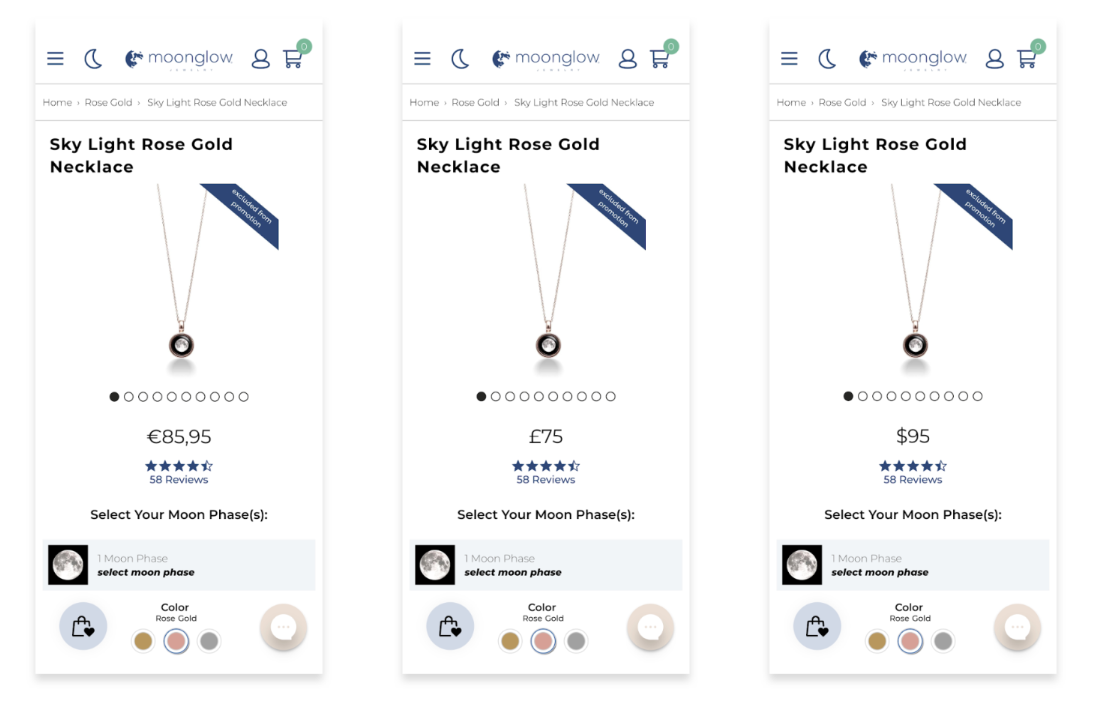
One of the primary advantages of multi-currency support is the reduction of confusion and hesitation during transactions. When users see prices in a currency they are familiar with, they can make informed decisions without needing to calculate exchange rates or worry about hidden fees. Currency conversion often introduces uncertainty; users may hesitate to proceed if they are unsure of the exact cost in their local currency. By eliminating this barrier, platforms enhance transparency and empower users to act with confidence. This straightforward clarity can significantly increase conversion rates, as potential customers are less likely to abandon their carts due to uncertainty or perceived complexity.
Moreover, multi-currency support demonstrates sensitivity to local markets, which is increasingly important in a competitive global landscape. Businesses that cater exclusively to a single currency can appear regionally limited, which may deter international users. On the other hand, platforms that embrace multi-currency transactions send a clear signal that they are global in scope and committed to accommodating diverse audiences. This perceived inclusivity can strengthen brand reputation, making users feel recognized and valued regardless of geographic location. It also reduces the psychological distance between the user and the platform, creating a sense of belonging that is vital for customer loyalty.
From an operational perspective, supporting multiple currencies can reduce the complexity for end-users while streamlining backend processes. Integrating multi-currency pricing into a platform allows automatic adjustments based on real-time exchange rates, ensuring accuracy and fairness in transactions. Users no longer need to rely on external conversion tools, which can be inconvenient or unreliable. This automation minimizes errors and enhances the overall user experience by providing seamless, consistent pricing. By building systems that handle currency conversion natively, platforms can offer smoother checkout flows and fewer friction points, which directly contributes to broader reach.
Additionally, multi-currency support opens up access to markets that were previously difficult to penetrate. For instance, users in countries with restrictive banking systems or limited access to foreign currencies may struggle to engage with platforms that operate only in major international currencies. By allowing payments in local currencies, businesses can tap into these underserved segments, expanding their reach without compromising financial accessibility. This is particularly important for digital products, subscription services, and online marketplaces, where international users represent a substantial portion of potential growth. Providing localized currency options effectively removes a barrier to entry, making it easier to attract and retain customers across diverse regions.
The psychological impact of using familiar currency also plays a role in user engagement. Familiarity fosters comfort and trust, which are essential elements for building long-term relationships with customers. When users are confronted with their own currency, they are more likely to perceive the platform as approachable and user-centric. This perception can influence both initial interactions and repeat behavior. People are more inclined to explore, purchase, and recommend platforms that respect their local economic context, which in turn amplifies organic reach through positive word-of-mouth and social sharing.
Furthermore, multi-currency support can enhance marketing efforts by allowing localized campaigns that resonate with specific audiences. Promoting prices in local currencies makes offers more tangible and compelling, increasing the likelihood of conversion. It also enables platforms to experiment with pricing strategies that align with local purchasing power, cultural expectations, and seasonal trends. This level of customization is difficult to achieve when operating solely in a single currency, limiting both the precision and impact of marketing initiatives. By aligning pricing with local context, platforms can create more persuasive campaigns and extend their reach into diverse markets more effectively.
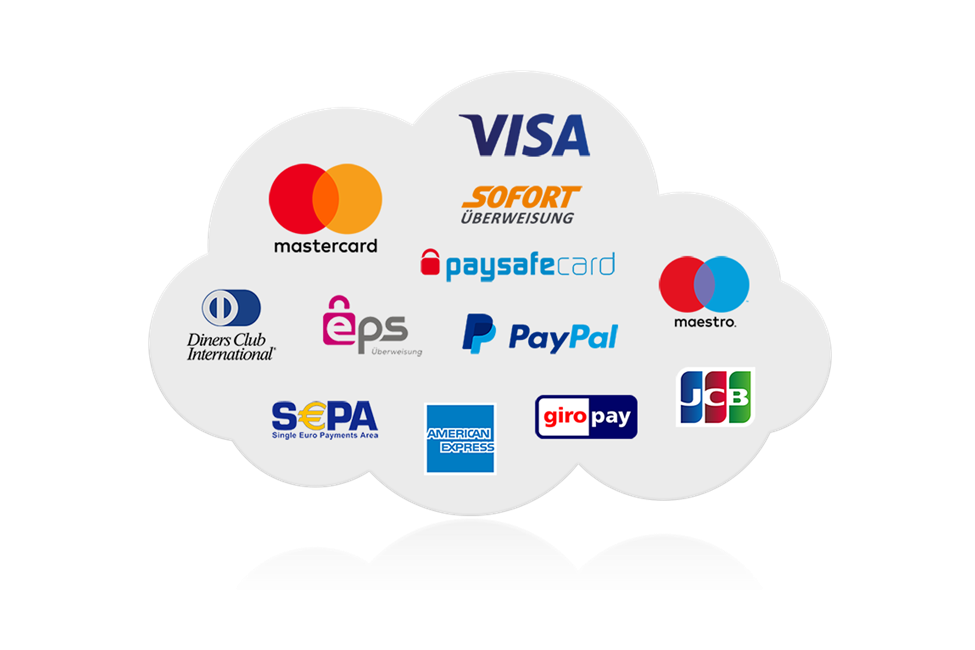
Integrating multiple currencies also intersects with other localization efforts, such as language support, regional promotions, and local payment methods. Multi-currency support is a critical component of a holistic localization strategy. When combined with other localized features, it enhances the overall user experience, making international users feel as if the platform was designed with their needs in mind. This holistic approach fosters engagement, encourages repeat interactions, and increases the likelihood that users will explore additional offerings. A platform that feels locally adapted is far more appealing to international audiences than one that simply translates content but ignores currency relevance.
In the context of customer retention, multi-currency support strengthens loyalty by reducing friction in ongoing interactions. Users who can pay in their own currency are less likely to encounter issues with refunds, billing disputes, or unexpected fees. This smoothness in financial interactions builds confidence in the platform’s reliability and responsiveness. Loyalty is further reinforced when users recognize that the platform invests in accommodating their specific circumstances, signaling a commitment to user-centric design. Over time, this commitment translates into sustained engagement and a growing base of satisfied international customers.
Ultimately, supporting multiple currencies is not just a technical enhancement; it is a strategic decision that directly impacts a platform’s global reach. By removing financial barriers, fostering trust, and enabling localization, multi-currency functionality creates a seamless user experience for international audiences. It allows platforms to enter new markets, increase conversions, and cultivate long-term loyalty. In an era where global competition is intense, and user expectations are high, offering multi-currency support is a critical factor in building a platform that is both accessible and appealing worldwide. Platforms that embrace this approach position themselves as inclusive, adaptable, and forward-thinking, ensuring that their reach is maximized across borders and demographics.






Leave a Reply