
In the digital world, user experience often hinges on small details, and verification flows are one of those elements that can significantly influence comfort. When users encounter a system that demands verification, the process itself communicates implicit messages about security, trustworthiness, and ease of use. A smooth verification flow can instill confidence and a sense of safety, whereas a convoluted or unclear process can create friction, anxiety, or even abandonment. Understanding the ways in which verification impacts comfort is crucial for designing systems that users not only use but also enjoy interacting with.
One of the primary factors in verification comfort is clarity. Users must understand what is required of them at each step. This clarity can be achieved through concise instructions, intuitive design, and clear labeling of fields. When users can immediately recognize what information is necessary and why it is requested, their cognitive load is reduced. A user confronted with vague or technical language may hesitate, leading to frustration or errors. Thus, clarity in verification flows directly correlates with a sense of ease and comfort.
Equally important is the perceived security of the verification process. Users are often willing to provide sensitive information if they feel confident that it will be handled securely. Visual cues, such as lock icons or secure connection indicators, can reinforce trust. Furthermore, explaining why certain verification steps are necessary—such as confirming identity to protect against fraud—can reassure users. When users perceive the flow as a protective measure rather than a barrier, their comfort level increases. Conversely, if security measures appear arbitrary or opaque, users may feel anxious or skeptical.
Timing and responsiveness also play critical roles. Lengthy waits between verification steps, unresponsive interfaces, or repeated failures can significantly reduce comfort. Users expect systems to respond promptly, and delays may trigger uncertainty or irritation. Implementing real-time feedback, such as immediate validation of input or clear error messages, can mitigate these issues. Feedback should not only indicate success or failure but also provide actionable guidance, allowing users to correct mistakes without confusion. This dynamic interaction fosters a sense of control, which in turn enhances comfort.
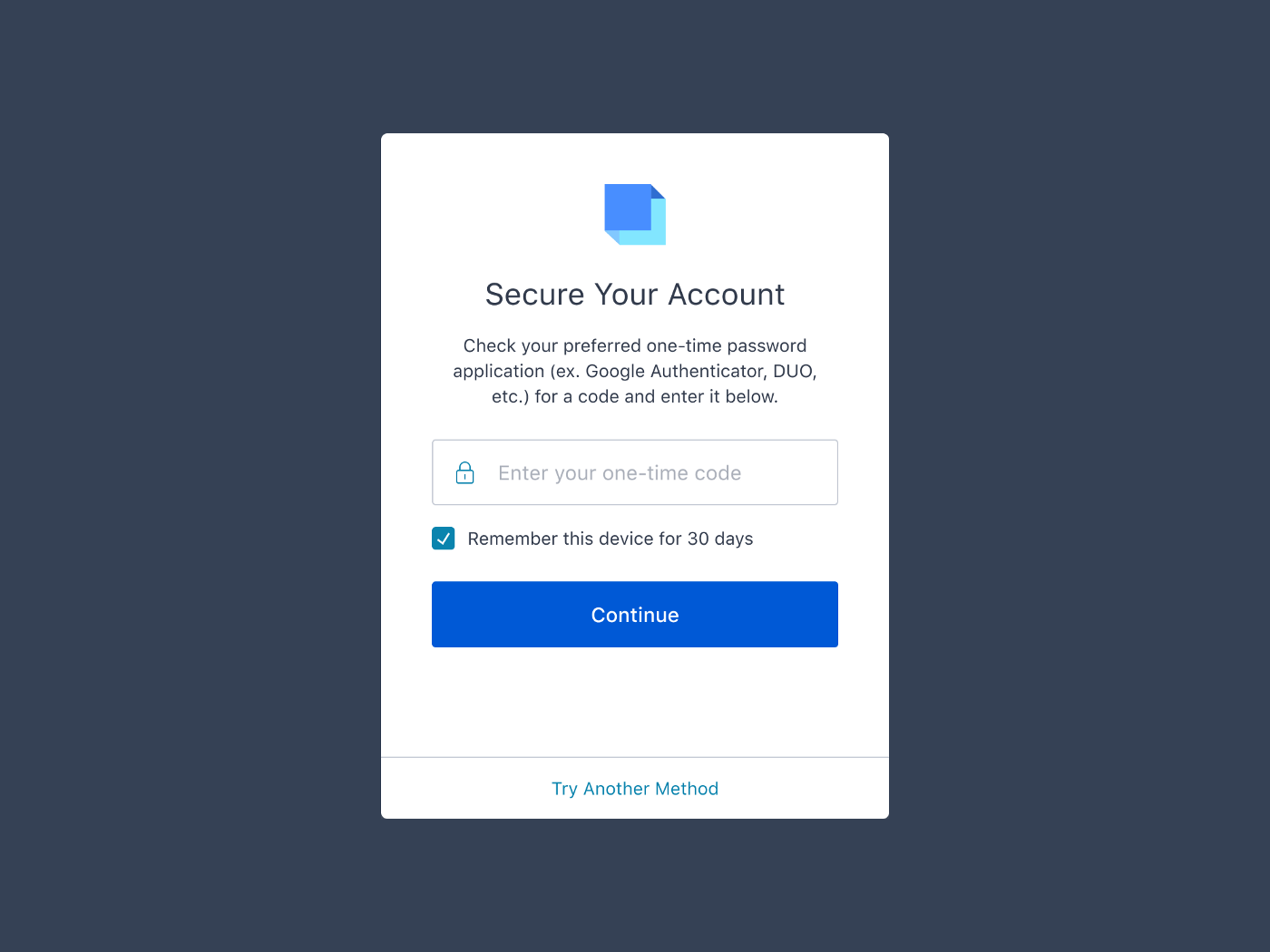
The method of verification matters as well. Multi-factor authentication (MFA) is widely recognized as a secure approach, but it must be implemented thoughtfully to avoid discomfort. Offering options such as text messages, email links, or authenticator apps allows users to select methods that suit their preferences and contexts. This flexibility respects individual differences in technological comfort and access, reducing friction and promoting a positive experience. Conversely, forcing a single method that users find inconvenient can create anxiety and reduce overall trust in the system.
Consistency is another element that affects comfort. Users benefit from a verification process that aligns with familiar patterns and expectations. When verification flows mimic common experiences—such as recognizable login screens, standard input fields, and expected confirmation steps—users can navigate them intuitively. Consistency across different platforms and devices further enhances comfort, as users do not need to relearn processes or adapt to unexpected behaviors. In contrast, inconsistent flows can generate confusion and increase cognitive strain.
Transparency plays a pivotal role in shaping user comfort during verification. When users understand why they are being asked to verify information, what will be done with their data, and how long the process will take, they experience less anxiety. Providing progress indicators or summaries of completed steps can reassure users that they are moving forward and that the system is reliable. Hidden processes or unclear requirements can leave users feeling uncertain and vulnerable, undermining comfort.
Accessibility is an often-overlooked aspect of verification comfort. Users with varying abilities or technology access should be able to complete verification without excessive difficulty. Ensuring that forms are navigable with assistive technologies, providing alternative methods of verification, and accommodating diverse input devices contribute to an inclusive experience. A verification flow that neglects accessibility can alienate users and reduce overall satisfaction, while thoughtful design demonstrates care and consideration, enhancing comfort.
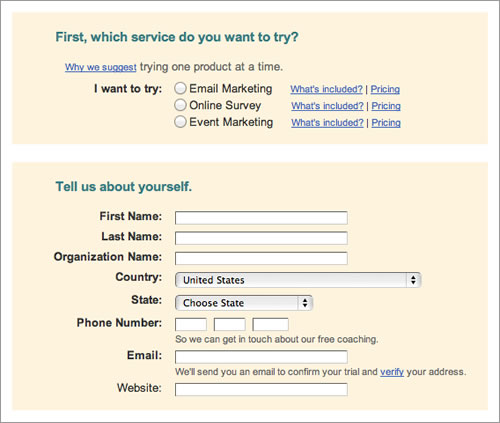
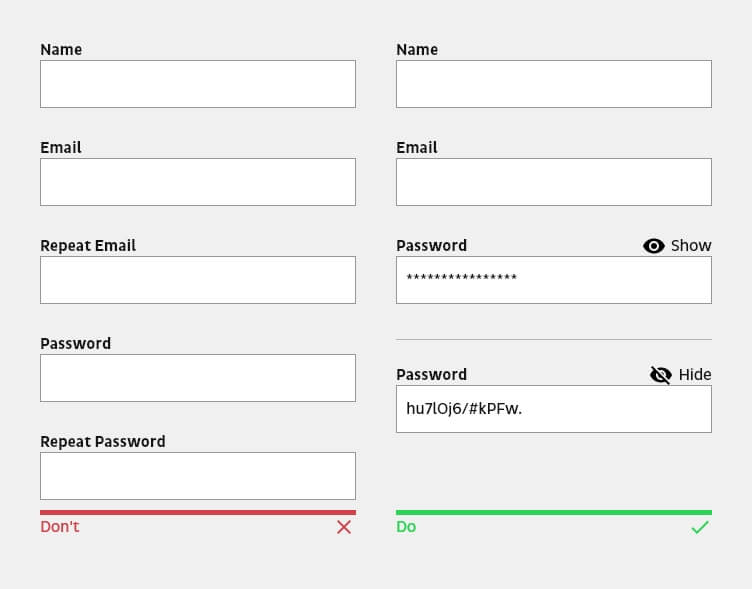
Minimizing unnecessary steps is a further principle in creating comfortable verification flows. Each additional field, page, or click increases cognitive load and potential frustration. Streamlined processes, where only essential information is requested, allow users to complete verification efficiently. Where additional steps are necessary, grouping them logically and providing context can help users understand their purpose. Reducing redundancy and complexity helps maintain engagement and prevents the sense of being bogged down by bureaucracy.
Error handling is closely related to comfort. Mistakes are inevitable, whether due to typos, misunderstandings, or technical glitches. A comfortable verification flow anticipates errors and provides supportive recovery mechanisms. This can include inline error messages, suggestions for correction, or the ability to return to previous steps without losing progress. When users feel guided rather than penalized for mistakes, their confidence and comfort increase. Poor error handling, in contrast, can exacerbate frustration and erode trust.
Finally, personalization can subtly enhance comfort during verification. Recognizing returning users, pre-filling known information, or providing customized guidance creates a sense of familiarity and ease. Personalization communicates that the system understands and values the user, reducing cognitive effort and fostering a more pleasant experience. Overly generic flows, while functional, may feel impersonal and less comforting.
In summary, verification flow affects user comfort through a combination of clarity, security perception, responsiveness, method flexibility, consistency, transparency, accessibility, step minimization, error handling, and personalization. Each of these factors contributes to how users perceive and interact with verification processes. Thoughtful design that prioritizes these elements not only facilitates task completion but also strengthens trust, reduces anxiety, and enhances overall satisfaction. A well-crafted verification flow is therefore not merely a technical necessity—it is a critical component of user experience, shaping the emotional and cognitive comfort of every interaction.
Comfort in digital verification is ultimately the result of respect for the user’s time, understanding, and cognitive effort. Systems that consider these aspects create an environment where users feel secure, informed, and capable. By approaching verification as an opportunity to reinforce trust and ease rather than an obstacle, designers can transform what might be a source of friction into a seamless, confidence-building experience. The ripple effect of such design extends beyond immediate interactions, fostering ongoing engagement and long-term loyalty.

Leave a Reply