
The human brain is wired to respond to rewards in ways that influence behavior, mood, and decision-making. In the context of slot machines, the sensation of winning, whether small or large, activates a cascade of neurological responses that make the experience feel satisfying. This satisfaction is not purely about the monetary gain; it is intertwined with the anticipation, the sensory stimuli, and the reinforcement of learned patterns. Understanding why slot win feedback feels satisfying requires examining several psychological and physiological mechanisms, including reward anticipation, variable reinforcement schedules, sensory engagement, and the role of dopamine in pleasure and motivation.
At the heart of the experience is the concept of reward anticipation. Slot games are designed to create a sense of suspense, with reels spinning, symbols aligning, and the outcome remaining uncertain until the very last moment. This anticipation triggers the brain’s reward system, preparing the mind for a potential positive outcome. Research in behavioral psychology shows that the mere expectation of a reward can be almost as powerful as the reward itself. The period of uncertainty elevates emotional arousal, increasing heart rate and attention, which primes players for a heightened sense of satisfaction when the win occurs. This phenomenon explains why even small wins can feel disproportionately gratifying; the brain has already invested in the hope and anticipation of a positive result.
Another critical factor is the use of variable reinforcement schedules. Slot machines rarely pay out in a predictable pattern, instead employing intermittent reinforcement to maintain player engagement. When rewards occur unpredictably, they create a powerful learning signal in the brain, teaching it to continue performing the behavior in anticipation of another payoff. The variable nature of the wins makes each occurrence feel special and unexpected, amplifying the perceived value of the reward. This principle, derived from studies of operant conditioning, is one reason why slots are particularly compelling. Players are less likely to become bored or disengaged because the timing of wins is uncertain, and the occasional payout reinforces the desire to keep playing.
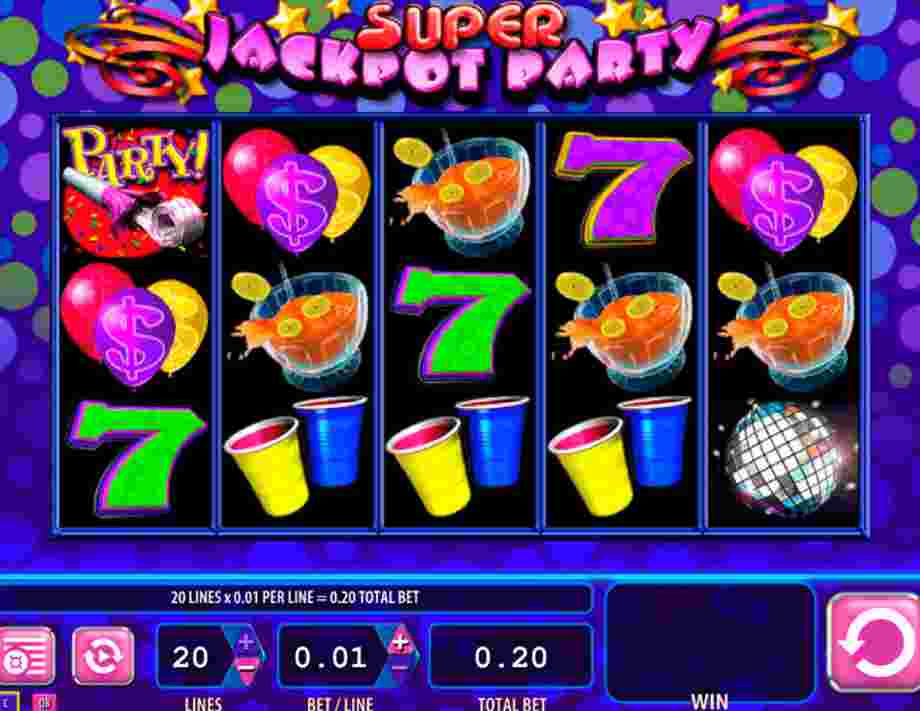
Sensory engagement also plays a significant role in making slot wins satisfying. Modern slots are carefully designed with audiovisual feedback that accompanies every win. Bright flashing lights, celebratory sounds, and animated sequences create a multi-sensory experience that enhances the emotional impact of the reward. This immediate and vivid feedback acts as a signal to the brain that something important has occurred. Humans naturally respond to stimuli that are novel or intense, and slot machines leverage this instinct. The combination of sound, light, and motion creates a mini-celebration around each win, regardless of the actual monetary value. These sensory cues strengthen the association between the act of playing and the pleasure of winning, reinforcing continued engagement.
Dopamine, a neurotransmitter associated with pleasure, motivation, and learning, is central to understanding why slot wins feel satisfying. Dopamine is released in anticipation of a reward and upon receiving one, reinforcing behaviors that lead to positive outcomes. In the context of slots, dopamine spikes during both the suspense of the spinning reels and the moment of a win. This biochemical response not only makes the win pleasurable but also encourages repeated behavior, as the brain seeks to recreate the dopamine release. The pleasurable sensations linked to dopamine create a feedback loop, making the player more likely to continue playing to experience similar highs. Even near-misses, where the outcome is almost a win, can trigger dopamine activity, subtly reinforcing engagement despite the absence of a payout.
The perception of skill and agency also contributes to the satisfaction of slot wins, even when outcomes are entirely random. Players often believe that certain actions, timing, or strategies influence the results, giving a sense of control over the game. When a win occurs, this perceived agency amplifies satisfaction, as the player feels their choices have been validated. This illusion of control, common in gambling contexts, adds an extra layer of emotional reward that enhances the overall experience. The feeling that one has successfully influenced a positive outcome heightens the subjective value of the win beyond its monetary worth.
Social and emotional factors further enrich the satisfaction of winning on slots. In many settings, slot play occurs in environments designed for social engagement and entertainment, such as casinos or online platforms with social features. Wins are often accompanied by visible reactions from nearby players or celebratory cues from the game interface, creating a shared sense of excitement. This social reinforcement enhances the emotional impact of the win and connects the individual experience to broader human tendencies to seek recognition and validation. Positive emotions associated with winning, even brief ones, contribute to overall enjoyment and the desire to repeat the experience.
Moreover, the cumulative effect of small wins cannot be underestimated. Slot machines frequently deliver minor payouts alongside occasional larger jackpots, creating a rhythm of reward that sustains interest. Small wins act as micro-rewards, reinforcing engagement without exhausting the player’s sense of novelty. Each win, regardless of size, validates the player’s ongoing behavior and keeps the experience engaging. This approach taps into fundamental psychological principles of positive reinforcement, where consistent yet variable rewards shape behavior over time. The sense of progression and the incremental accumulation of rewards generate continuous satisfaction, even if the overall financial outcome is modest.
Ultimately, the satisfaction derived from slot win feedback is a combination of anticipation, unpredictability, sensory stimulation, dopamine-driven reinforcement, perceived agency, social influence, and incremental rewards. Game designers intentionally leverage these elements to create experiences that feel rewarding and engaging, even when the actual winnings are limited. The pleasure of winning on a slot is a complex interplay of brain chemistry, psychology, and design, showing how human motivation and emotion can be skillfully directed. By understanding these mechanisms, it becomes clear why even a simple win can feel deeply satisfying, encouraging continued play and making slot experiences memorable and compelling.




Leave a Reply